Dinnyés and the Lake Velence is a popular destination for people who dwell in the capital city. It is very well kept and nature trail is easy and leads close to the actual site of interest.
To reach this location we took a train from Kelenvölgy station. Trains are frequent and wheelchair friendly. These trains run quite regularly to Dinnyés because this Ramsar site is near to Lake Velence, where citizens from Budapest often go for recreational purposes.
Here one can see the train station of Dinnyés. Regional funding from the EC was available for some time ago and this is when this train line was rebuilt and reorganized. Handicap friendly and close to the village of Dinnyés, where the nature trail starts off to the wild.
This is a map, we found in the village. It showes the area with different drawings and explanations. We did not go around lake Velence rather we have walked through the nature trail of Dinnyés.
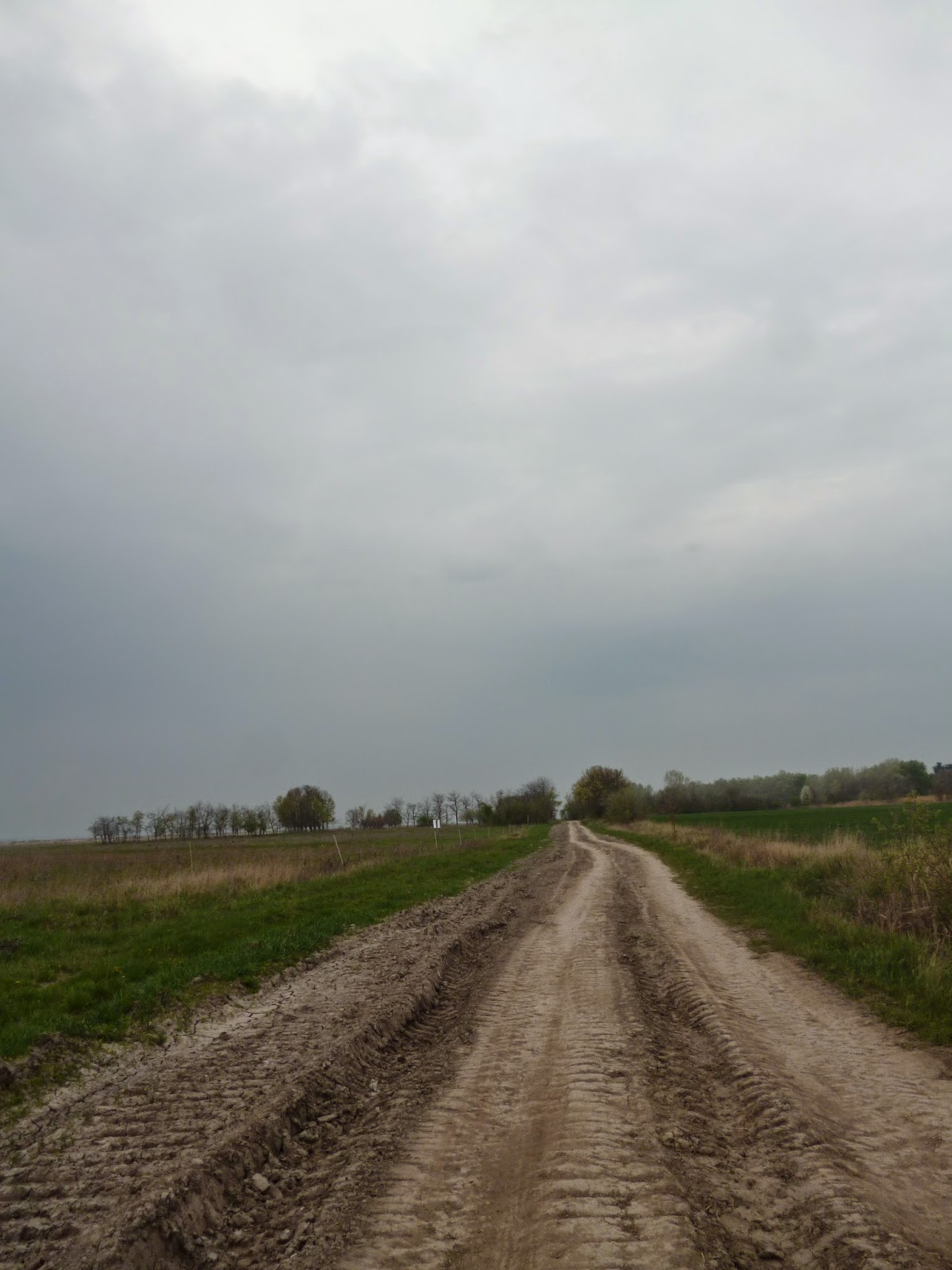
It is well indicated where one can find the nature trail. Poles and trees are marked with the tourist sign so it is hard to get lost.
One of the first spring flowers; galathus (Galanthus nivalis). It is protected by law and so no bulbs are available any more on the market.
The sign to follow. The name of the nature trail is: Madárdal = Bird's song. The species on the plate is the Bearded Reedling (Panurus biarmicus) so it is possible to see this bird but not this time of the year of course.
There are several stations of the nature trail and this one is the first one. A map and some notes are available from the area. Everybody could enjoy a walk here because almost everything is explained. The countryside is nice although it is not that far from the traffic and trains.
The Hungarian breed racka sheep. We were lucky to see a little one as well. There are not many in this farm but it is great to see them. Traditional animals are back into fashion in these days and racka is one of them (see: http://en.wikipedia.org/wiki/Racka).
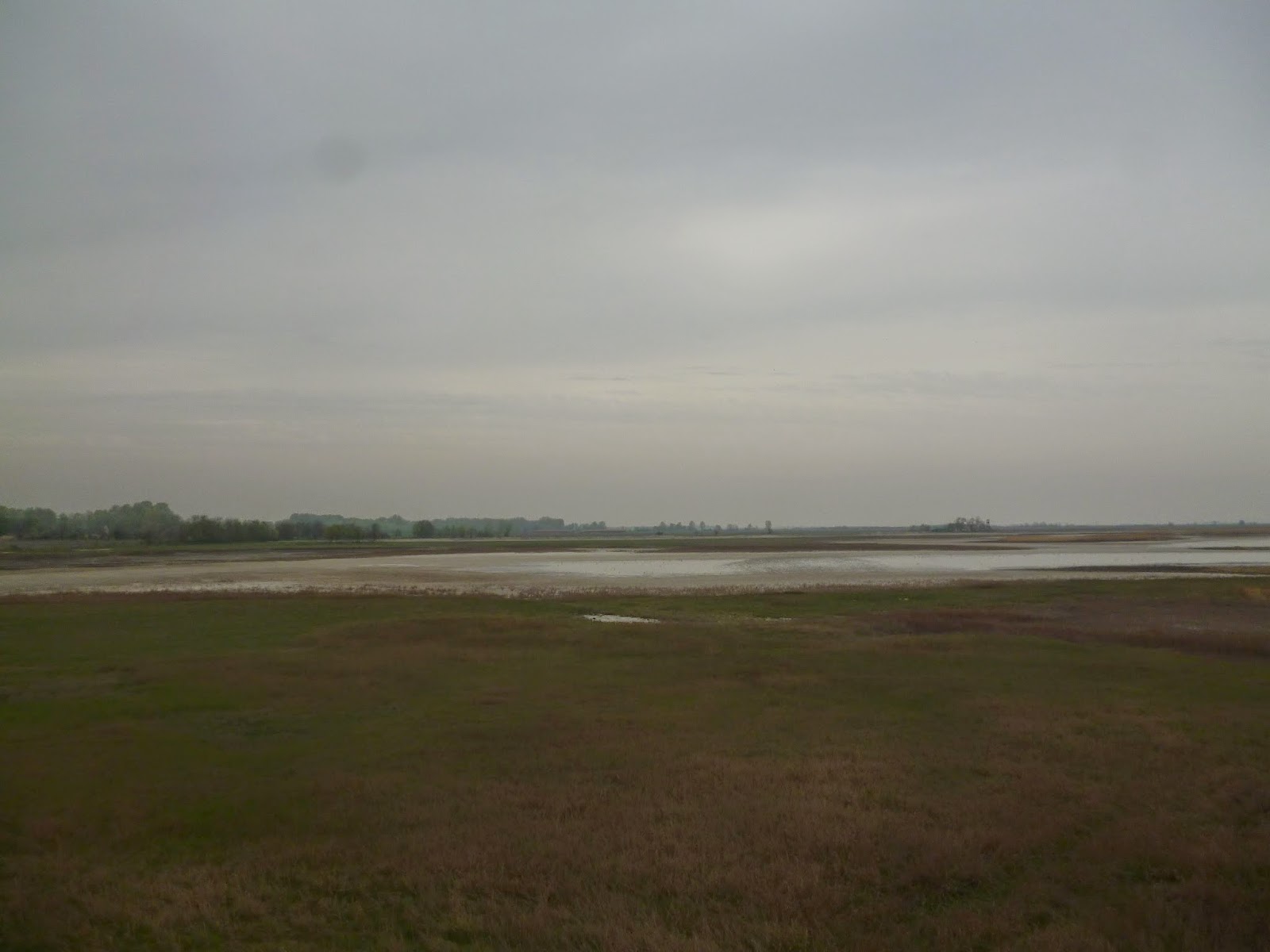
We have missed the bird ringing and it was quite windy so we were happy to see whatever came in front of us. The reed seems to be healthy and in the summer it is probably full of passerines. Ringing presentations are held by the local ornithology team (information is available in Hungarian
here).
Electricity poles could damage the wild life but it is sometimes used for nest boxes as well. The above one runs at the edge of the Ramsar site.
Mammal's footprint in the mud.
There were plenty wild fowl on the water. I still don't do counting but I will certainly change this habit as soon as I get my first telescope. Here is the list I could make with my simple binocular:
- Anas platyrchynchos - Mallard
Anas clypeata - Northern Shoveler
Anser anser - Greyleg Goose
Anser fabalis - Bean Goose
Cyngus olor - Mute Swan
Larus ridibundus - Black-headed Gull (the list isn't complete yet...)
Artificial nests (available at BirdLife Hungary: http://www.mme.hu/molnarfecske_telep) for House Martin (Delichon urbicum) under the roof of the high-stand.
This is how our ancestors lived in the Carpathian Basin many many years ago. This is called the jurta if I'm not mistaken. Here you can read more about this fine accomodation and if you will you can even try to sleep in it: http://www.opusztaszerimenes.hu/en/oldal/jurtaszallas.
I took some photo of the train station and its surrounding. We were the only passangers this time. It is possible to buy the ticket on the train if there are no cash desk open on small stations. We are eligible to have some reduction of the ticket price so it was not expensive to get out from the city to this exciting place!
I took a photo from the train. There are many hotels and holiday appartment on the lake shore of Velence. In the summer it is like a huge pool...
Our train ticket.